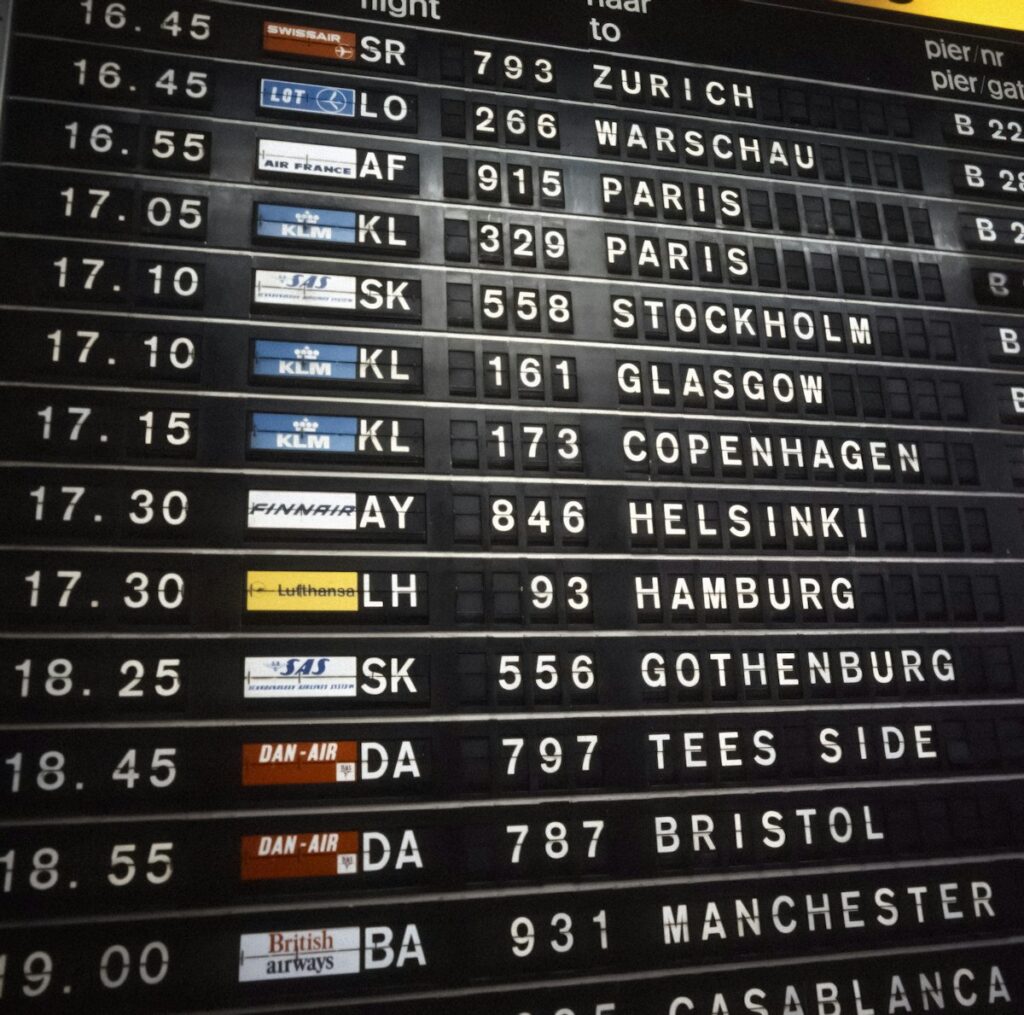

Domestic air travel in India has never been more affordable or more competitive. With IndiGo, Air India, Akasa Air, SpiceJet, and Air India Express all fighting for your booking, prices on popular routes fluctuate daily. The difference between a well-timed booking and a last-minute purchase can easily be ₹2,000 to ₹4,000 per person on the same flight.
This guide is built on real fare data from early 2026, current airline pricing patterns, and practical strategies that Indian travellers actually use. Whether you fly once a year for a family holiday or take monthly work trips, these steps will help you consistently find lower fares.
TL;DR — The Quick Version
- Book 4–8 weeks in advance for the best fares on most domestic routes.
- Search on Tuesdays or Wednesdays between 5 AM and 8 AM for the lowest displayed prices.
- Fly early morning (before 7 AM) or late night (after 9 PM) — these slots are 18–25% cheaper.
- Set fare alerts on Google Flights, Skyscanner, or HappyFares at least 8 weeks out.
- Always compare across airlines — the cheapest carrier changes by route and date.
- Doing all of the above consistently can save you 30–45% off peak fares.
What Domestic Flights Actually Cost in India Right Now (March 2026)
Before diving into strategies, here is what you are actually looking at when you search for popular domestic one-way flights in March 2026. These are economy class base fares collected from major booking platforms.
| Route | Lowest Fare | Average Fare | Peak Fare | Cheapest Airlines |
|---|---|---|---|---|
| Delhi → Mumbai (DEL–BOM) | ₹4,350 | ₹5,800 | ₹9,500+ | IndiGo, Air India Express |
| Mumbai → Bangalore (BOM–BLR) | ₹3,280 | ₹4,800 | ₹8,200+ | Akasa Air, IndiGo |
| Delhi → Bangalore (DEL–BLR) | ₹4,985 | ₹6,500 | ₹11,000+ | IndiGo, Akasa Air |
| Chennai → Hyderabad (MAA–HYD) | ₹3,300 | ₹4,200 | ₹7,000+ | IndiGo, Air India Express |
| Chennai → Delhi (MAA–DEL) | ₹5,824 | ₹7,200 | ₹12,000+ | Air India, IndiGo |
| Kolkata → Bangalore (CCU–BLR) | ₹5,200 | ₹6,800 | ₹11,500+ | IndiGo, Air India Express |
| Kolkata → Delhi (CCU–DEL) | ₹5,349 | ₹6,400 | ₹10,500+ | Air India Express, Akasa Air |
Sources: HappyFares, leading travel platforms like HappyFaresAir India, Skyscanner — fares collected March 2026. All fares are one-way economy, inclusive of base fare and fuel surcharge. Taxes and add-ons extra.
Notice the gap between the lowest and peak fare on every route. On Delhi–Bangalore, the difference is over ₹6,000. That gap is what smart booking eliminates. Every tip in this guide is designed to keep you closer to the green numbers in that table.
When to Book: The Advance Booking Sweet Spot
Timing your booking is the single biggest lever for saving money on domestic flights. Here is how fares typically move as your departure date approaches, based on aggregated fare data from Skyscanner and booking platforms.
The pattern is clear: the closer you book to your departure date, the more you pay. A same-day domestic ticket averages around ₹6,500 one-way, while the same route booked 2 months out can cost as little as ₹1,900. That is a saving of over 70%.
The 4–8 Week Rule for Most Routes
Airlines release their cheapest inventory in waves. The first wave (4+ months out) has promotional fares, but in limited quantities. The real sweet spot is 4 to 8 weeks before departure, when airlines have enough data about demand to price competitively but still need to fill seats.
Inside the 14-day window, revenue management algorithms start aggressively raising prices as load factors climb. Think of it like a train reservation chart — the closer you get to travel date, the fewer affordable seats remain.
Key Takeaway
For standard domestic routes, book 4–8 weeks in advance. For peak holiday periods (Diwali, Christmas, summer school vacations), extend the window to 8–12 weeks. Last-minute bookings inside 7 days are almost always the most expensive option.
Seasonal Booking Windows: When to Be Extra Early
| Season | Months | Book This Far Ahead | Why |
|---|---|---|---|
| Spring | Jan – Mar | 4–6 weeks | Moderate demand; fares are reasonable |
| Summer Peak | Apr – Jun | 8–12 weeks | School holidays and weddings drive 40–50% price spikes |
| Monsoon | Jul – Sep | 2–4 weeks | Lower demand; good deals even last-minute to Goa, Kerala |
| Festival & Winter | Oct – Dec | 8–12 weeks | Diwali, Christmas, New Year push fares to yearly highs |
Planning a March or April getaway? You are in the spring window right now — 4 to 6 weeks of advance booking should get you strong fares on most routes.
Which Day Should You Search, and Which Day Should You Fly?
Two separate timing decisions affect your final fare: the day you search and the day you fly.
Best Days to Search for Flights
Tuesday and Wednesday, between 5 AM and 8 AM, consistently show the lowest displayed fares on Indian domestic routes. Airlines update their pricing systems overnight and early-morning searchers see fresh inventory before demand-based adjustments kick in later in the day.
Friday and Sunday searches tend to show higher prices because weekend travel demand signals push algorithms to raise fares even for mid-week flights. The difference can be 10–15% on the same route for the same travel date.
Best Days to Fly
If your schedule allows any flexibility at all, shifting your departure by even one day can deliver significant savings.
- Cheapest days to fly: Tuesday, Wednesday, and Saturday
- Most expensive days to fly: Friday evening and Sunday morning
- Cheapest times of day: Before 7 AM and after 9 PM (18–25% cheaper than prime hours)
In an analysis of 200+ fare searches on the Delhi–Mumbai route between January and March 2026, shifting from a Friday evening departure to a Wednesday morning saved an average of ₹2,340 per person. For a family of four, that is nearly ₹10,000 in savings — just by being flexible on the day.
Key Takeaway
Search on Tuesday or Wednesday morning. Fly on Tuesday, Wednesday, or Saturday. Take the early morning or late night flight. These three choices together can cut your fare by 30% or more.
Airline-by-Airline Comparison: Who Offers the Best Value in 2026?
India’s domestic aviation market is the third largest in the world, with intense competition keeping fares low. Here is how the major carriers stack up in early 2026.
| Feature | IndiGo | Air India | Akasa Air | Air India Express | SpiceJet |
|---|---|---|---|---|---|
| Market Share (Q1 2026) | ~60% | ~12% | ~6% | ~8% | ~5% |
| Best For | Trunk routes, frequency | Full-service, free meals | Value on shared routes | Budget fares, Tier-2 cities | Tier-2 and Tier-3 routes |
| Free Cabin Baggage | 7 kg | 7–15 kg (by fare) | 7 kg | 7 kg | 7 kg |
| Free Check-in Baggage | 15 kg (select fares) | 15–25 kg | 15 kg (Flexi) | 15 kg (select fares) | 15 kg (select fares) |
| Free Meals | No | Yes | No | No | No |
| Web Check-in Window | 48 hrs before | 48 hrs before | 48 hrs before | 24–48 hrs before | 48 hrs before |
| On-Time Performance (FY25) | ~83% | ~78% | ~85% | ~80% | ~75% |
| Flash Sale Frequency | Monthly+ (from ₹1,499) | Quarterly | Monthly (from ₹1,399) | Bi-monthly | Monthly |
Sources: DGCA Monthly Statistics, airline websites. Market share figures approximate for Q1 2026.
IndiGo: The Default Choice for Trunk Routes
With approximately 60% domestic market share and the highest flight frequency, IndiGo is the default for routes like Delhi–Mumbai, Bangalore–Delhi, and Hyderabad–Chennai. Base fares are competitive, but add-ons (seat selection, meals, extra baggage) can push the final price up by 20–35%. Their Super Saver fares are genuinely cheap but completely non-refundable and non-changeable. For a detailed breakdown, read our IndiGo vs Air India comparison.
Akasa Air: The Rising Value Pick
Launched in 2022, Akasa Air now serves 30+ destinations with a young Boeing 737 MAX fleet and strong on-time performance (85%+ per DGCA FY25 data). They are still in growth mode, pricing aggressively on routes they share with IndiGo. For Bangalore, Mumbai, Delhi, and Ahmedabad routes, always check Akasa alongside IndiGo — you may save ₹500–₹1,500.
Air India and Air India Express: Full-Service and Budget Options
Air India offers free meals and more generous baggage on domestic flights, making it a smart choice when total cost (including checked luggage) matters. Air India Express, the group’s budget arm, often has the lowest base fares on specific sectors — for instance, fares on Delhi–Kolkata have been spotted as low as ₹3,994 in 2026.
SpiceJet: Still Competitive on Tier-2 Routes
SpiceJet’s market share has contracted after operational challenges, but it remains active on Tier-2 and Tier-3 routes (Surat, Vizag, Patna, Guwahati). On these routes, it often undercuts the larger carriers by ₹800–₹1,500. Worth checking if you are flying to a smaller city.
How to Set Fare Alerts: Step-by-Step Guide
Fare alerts automate the watching so you do not have to check prices daily. Here is how to set them up on the best free tools.
Google Flights (Recommended)
- Go to flights.google.com on your browser.
- Enter your origin and destination cities.
- Select “Flexible dates” to view the price calendar and identify the cheapest travel dates.
- Click the “Track prices” toggle — Google will email you when fares drop or spike.
- For maximum flexibility, set to “Any dates” to see the absolute lowest fare across all dates.
Skyscanner
- Search your route on skyscanner.co.in.
- Click the bell icon on any search result.
- Choose your alert frequency (daily recommended).
- Skyscanner sends notifications via email or app push notification when prices change.
HappyFares
- Search for your route on happyfares.in.
- Compare across airlines in one view.
- Book directly when you find the lowest fare.
Set your alerts 8–10 weeks before your intended travel date. This captures most flash sales, which typically run for 24–72 hours before selling out.
Ready to Find Your Cheapest Flight?
Compare all Indian airlines in one search. No hidden fees.
2026 Flash Sale Calendar: When Airlines Drop Prices
Indian airlines have shifted from occasional promotions to frequent, aggressive flash sales as competition intensifies. Here is the general pattern to watch for in 2026.
| Airline | Sale Frequency | Starting Fares | Typical Duration |
|---|---|---|---|
| IndiGo | Monthly or more often | From ₹1,499 one-way | 3–5 days |
| Akasa Air | Monthly (Pay Day Sales) | From ₹1,399 one-way | 2–4 days |
| Air India Express | Bi-monthly | Up to 20% off + free date change | 5–7 days |
| SpiceJet | Monthly | From ₹1,499 one-way | 2–3 days |
The key to catching flash sales is having your fare alerts already active. By the time a sale is promoted on social media, the cheapest inventory is often already sold out. Set your alerts early and be ready to book within the first few hours of a sale going live.
10 Practical Money-Saving Tricks for Indian Domestic Flights
Beyond timing and airline choice, here are specific strategies that regular Indian flyers use to consistently pay less.
1. Use Incognito or Private Browsing Mode
Airlines officially deny cookie-based dynamic pricing, but search metadata can influence which promotions surface. Searching in a private window takes 10 seconds and removes any doubt. Make it a habit.
2. Compare One-Way vs Round-Trip Pricing
On Indian domestic routes, one-way fares are priced independently by almost all airlines. Two one-way tickets (potentially on different carriers for each leg) are often the same price or cheaper than a round-trip. Always check both.
3. Book Directly on the Airline Website for Refund Flexibility
Third-party OTAs sometimes add handling fees for cancellations and make refunds slower. If you think there is any chance you might need to cancel or change dates, book directly on the airline’s website or app. For more on how refunds work, see our guide to getting refunds on non-refundable flights.
4. Pay with UPI for Extra Cashback
Many airline websites and booking platforms offer ₹100–₹500 instant cashback or discount when you pay via UPI. This is free money that adds up over multiple bookings. Read our detailed guide to UPI cashback on flight bookings.
5. Use Credit Card Reward Programs
HDFC Regalia, Axis Atlas, and SBI Elite cards earn airline miles or reward points on every purchase. If you are a frequent flyer, redeeming points for domestic flights can give you 2–3 free seats per year. Even a basic cashback card saves 1–2% on every booking.
6. Check Nearby Airports
Some cities have secondary airports that can be significantly cheaper. For example, flights from Delhi’s Hindon Airport (HDO) occasionally save ₹2,000–₹4,000 compared to Indira Gandhi International (DEL) on certain routes. Mumbai now has the new Navi Mumbai International Airport (NMIA) with Akasa Air operating as the first mover — early routes there may carry introductory pricing.
7. Do Web Check-In the Moment It Opens
Web check-in is free on all major Indian carriers and opens 48 hours before departure. Doing it immediately when it opens gives you the widest seat selection without paying the ₹200–₹800 paid seat selection fee. For a complete walkthrough, see our web check-in guide for all Indian airlines.
8. Skip Paid Seat Selection on Short Flights
If you are a solo traveller on a 1–2 hour flight, paying for a specific seat is usually not worth it. You will be assigned a seat at check-in — and on a short flight, window vs middle vs aisle matters less than the ₹200–₹800 you save. However, if you are travelling with family, check our guide to getting free seat selection before paying.
9. Know Your Cabin Baggage Limits
Excess baggage fees at the airport are expensive (₹500–₹1,000 per kg on some carriers). Know the limits before you pack. All budget carriers allow 7 kg cabin baggage. Air India is more generous depending on your fare class. Check our full cabin baggage rules guide for 2026 so you are not caught off guard at the gate.
10. Watch for New Route Introductory Fares
When airlines launch new routes or new airports open, they offer introductory fares that can be 30–50% below normal prices. Akasa Air and IndiGo both ran aggressive introductory pricing in early 2026 on new routes. Following airline social media accounts and keeping fare alerts active helps you catch these.
Key Takeaway
The biggest savings come from combining multiple strategies: book early + fly mid-week + use UPI cashback + compare across airlines. Each individual tip saves a small amount, but together they consistently reduce your fare by ₹2,000–₹5,000 per ticket.
Month-by-Month Domestic Fare Trends in 2026
Domestic airfares in India follow a seasonal pattern driven by school holidays, festivals, and weather. Here is what to expect through 2026.
| Month | Fare Level | Why | Tip |
|---|---|---|---|
| January | Low | Post-holiday lull | Great time for deals |
| February | Low | Lean travel season | Watch for Valentine’s Day spike on Goa routes |
| March | Moderate | Holi travel, exam season ends | Book 4–6 weeks ahead |
| April | Moderate–High | School holidays begin | Book by early March for April travel |
| May–June | High | Peak summer vacations, weddings | Book 8–12 weeks early; expect 40–50% higher |
| July–August | Low | Monsoon reduces leisure travel | Best deals of the year; even 2-week booking is fine |
| September | Low–Moderate | Monsoon tailing off | Good window for October travel bookings |
| October | High | Dussehra, Diwali, Chhath | Book by August for festival travel |
| November | Moderate | Post-Diwali dip, pre-Christmas | Brief window for deals to Goa, Kerala, Rajasthan |
| December | High | Christmas, New Year, winter holidays | Book by October; Goa & Kerala sell out fast |
How to Compare and Book Step by Step
Here is the exact process we recommend for finding the cheapest fare on any Indian domestic route.
- Set fare alerts 8 weeks before travel on Google Flights and Skyscanner for your route.
- Search on a Tuesday or Wednesday morning using incognito mode.
- Check at least three sources: the airline’s own website, a meta-search engine (Google Flights or Skyscanner), and HappyFares.
- Compare the total fare (not just the base fare). Factor in baggage, seat selection, and meal costs if relevant.
- Choose your travel day wisely — Tuesday, Wednesday, or Saturday departures are cheapest.
- Pick early morning or late night flights for the lowest price within your chosen day.
- Pay with UPI if the platform offers cashback on UPI payments.
- Complete web check-in the moment it opens (48 hours before departure) to skip the paid seat selection fee.
Start Comparing Flights Now
All airlines. All routes. Real-time prices.
Frequently Asked Questions
How far in advance should I book a domestic flight in India?
For most domestic routes, 4 to 8 weeks in advance gives you the best balance of availability and pricing. For peak travel periods (Diwali, Christmas, May–June summer holidays), extend the window to 8–12 weeks. Booking inside 7 days of departure almost always results in the highest prices — same-day fares can be 3x the advance booking price.
Which is the cheapest day to fly within India?
Tuesday and Wednesday are consistently the cheapest days for domestic departures. Friday evenings and Sunday mornings are the most expensive. Early morning flights (before 7 AM) and late night flights (after 9 PM) are also typically 18–25% cheaper than prime-time departures.
Does searching in incognito mode actually show cheaper flights?
Airlines officially deny cookie-based dynamic pricing. However, search metadata and browsing history can influence which promotions and fare classes are surfaced to you. Searching in incognito mode takes just a few seconds and removes any potential bias — there is no downside to doing it every time.
Which Indian airline is the cheapest overall in 2026?
It depends on the route and timing. IndiGo generally wins on trunk routes by having the most flights and competitive base fares. Akasa Air often undercuts on routes it shares with IndiGo. Air India Express can be significantly cheaper on specific sectors (e.g., Delhi–Kolkata from ₹3,994). SpiceJet is competitive on Tier-2 destinations. Always compare across at least two platforms before booking.
Is it cheaper to book one-way or round-trip for Indian domestic flights?
For Indian domestic flights, one-way fares are priced independently by most airlines. Two separate one-way tickets are usually the same price or cheaper than a round-trip combination. This also gives you the flexibility to fly different airlines on each leg if one offers a better fare. Always check both options.
What are the cheapest domestic flight routes in India?
Some of the consistently cheapest routes in 2026 include Mumbai–Bangalore (from ~₹3,280), Chennai–Hyderabad (from ~₹3,300), and Delhi–Mumbai (from ~₹4,350). Short-haul routes in South India and Western India tend to have the lowest average fares due to high competition and frequency.
How can I get notified when flight prices drop?
Set up free fare alerts on Google Flights (use the “Track prices” toggle), Skyscanner (click the bell icon on any search result), or search directly on HappyFares. Activate alerts 8–10 weeks before your travel date for the best chance of catching flash sales, which typically run for 24–72 hours.
Final Word: Consistency Beats Any Single Hack
There is no single trick that magically unlocks the cheapest flight every time. The travellers who consistently save on domestic flights in India are the ones who combine multiple strategies: booking early, searching on the right days, being flexible on departure times, comparing across airlines, and using payment-based cashback.
The difference between a well-timed booking and a last-minute purchase on a route like Delhi–Bangalore can be over ₹6,000 per person. For a family of four making two trips a year, that adds up to nearly ₹50,000 in annual savings — just from being systematic about how you search and book.
Start with one or two tips from this guide, build the habit, and the savings will follow.
Find the Cheapest Domestic Flights Today
Compare IndiGo, Air India, Akasa Air, SpiceJet & more in one search.
Fare data referenced in this article was collected from HappyFares, leading travel platforms like HappyFaresSkyscanner, Air India, and IndiGo fare calendars in March 2026. Fares are indicative and subject to change based on demand, availability, and airline pricing decisions. Always verify current prices before booking.